

Organ-Preserving Cancer Surgery
Preserving function where safe
The most common cancer in women — highly treatable when found early, with options that increasingly preserve the breast.
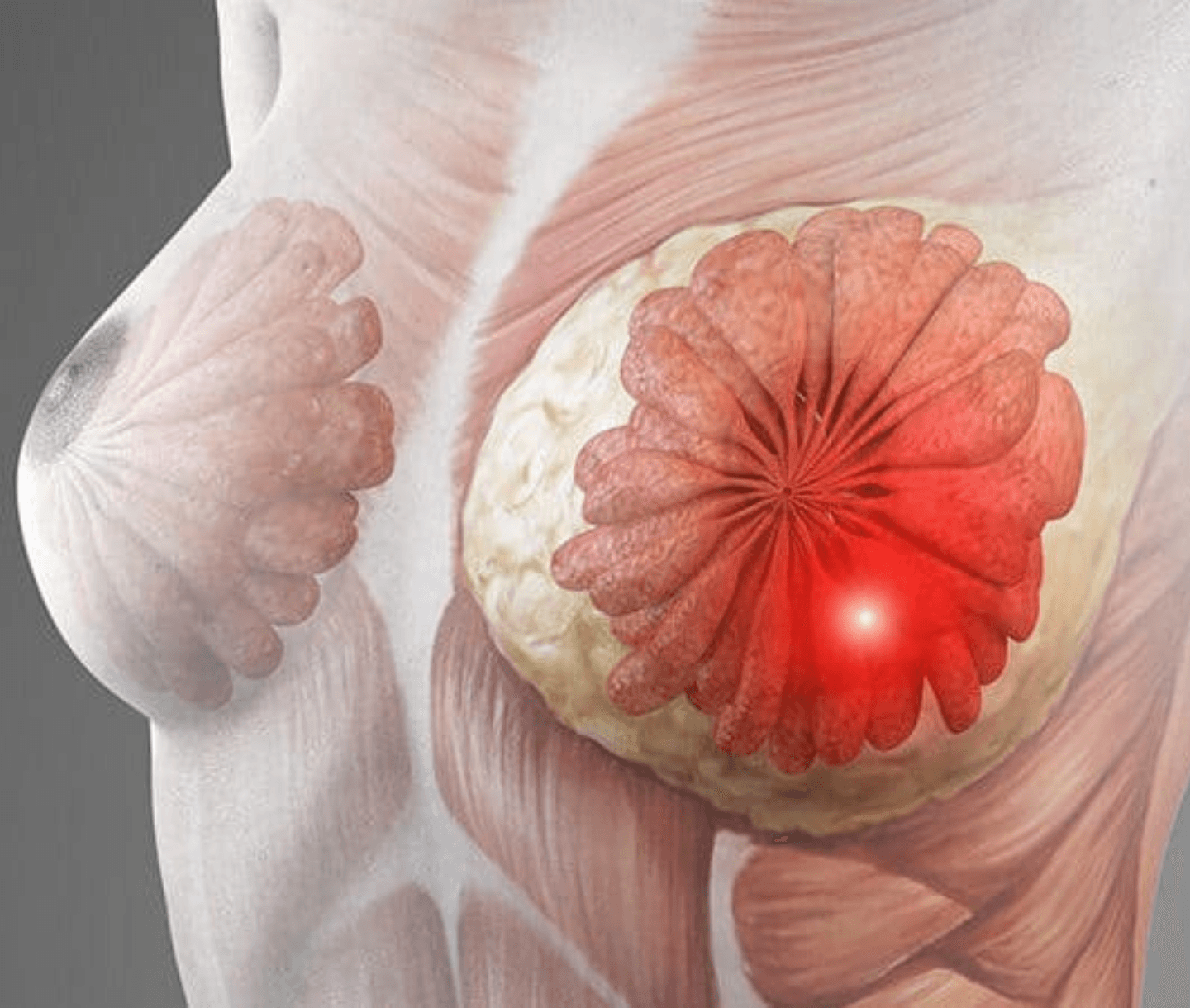
The most common cancer in women — highly treatable when found early, with options that increasingly preserve the breast.
Breast cancer begins when cells in the breast grow out of control. Outcomes today are strongly linked to how early it is detected, which is why screening and prompt assessment of any change matter so much.
At Agastya, breast cancer is managed by our surgical, medical and radiation oncologists together — so surgery, systemic therapy and radiation form a single plan rather than disconnected steps.
Symptoms have many causes and don't mean cancer — but persistent changes are always worth checking early.
Breast cancer surgery is not usually laparoscopic, but it is increasingly breast-conserving. Where oncologically safe, breast conservation and oncoplastic techniques can remove the cancer completely while restoring a natural shape — decided individually after evaluation.
Depending on the individual case, these surgical techniques may be considered for breast cancer.
Beyond the surgery, care for breast cancer means looking after the whole person — body and mind.
Breast-conserving surgery
Lumpectomy with clear margins removes the cancer while keeping the breast, often with oncoplastic reshaping.
Mastectomy with reconstruction
When conservation is not oncologically safe, mastectomy — with reconstruction where appropriate — offers complete removal.
Systemic & hormone therapy
Chemotherapy, targeted (HER2) and hormone therapy are matched to the tumour's individual biology.
Radiation therapy
Often follows breast-conserving surgery to lower the risk of the cancer returning locally.
Gentle arm & shoulder movement
Guided exercises after surgery restore shoulder movement and reduce stiffness and lymphoedema risk.
Care for the surgical site
Follow wound and drain care, wear supportive garments as advised, and watch for swelling or redness.
Nutrition & a healthy weight
Balanced eating and a healthy weight support recovery and long-term wellbeing.
Keep up follow-up imaging
Regular review and surveillance imaging help catch any change early.
Body image & confidence
Feelings about changes to your body are normal; our team and reconstruction options can help.
Talk it through
Counselling and breast-cancer support groups connect you with others who understand.
Managing fear of recurrence
Worry about the cancer returning is common; mindfulness and open conversations with your team ease it.
Support for family
Partners and children are affected too — support is available for them as well.
Often, yes. Breast conservation is possible for many patients when it does not compromise complete cancer removal. Whether it is right for you depends on the tumour size, location and stage.
It depends on the individual cancer. Some patients need additional treatment before or after surgery; others do not. The plan is decided after reviewing your full diagnosis and pathology.
Breast Cancer is managed by these specialists, planned together as one coordinated pathway.
Precise, minimally invasive cancer surgery focused on clearance and gentler recovery.
Systemic treatment — chemotherapy, targeted therapy and immunotherapy — planned around you.
Modern image-guided radiation that targets the tumour while protecting healthy tissue.
Share your reports or questions and our team will respond quickly. An enquiry is not an appointment — just the first, easy step.